.png)
Explore our flagship OEM/ODM selfie camera SKUs. Built to comply with stringent European Union (CE-RED, CE-EMC, RoHS) and North American (FCC, CPSIA, ASTM F963) regulatory frameworks, these devices feature flip screens, dual-lens optics, 4K/5K/8K interpolation, and ruggedized housings ready for global retail deployment.
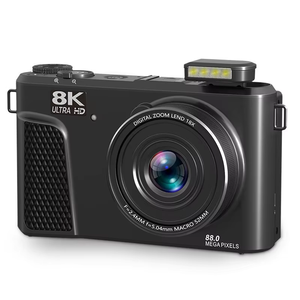
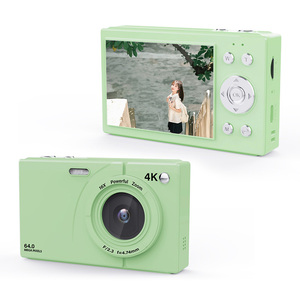
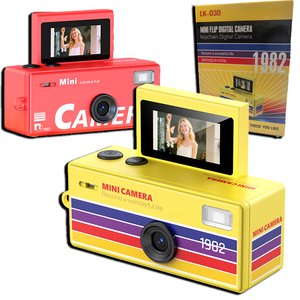
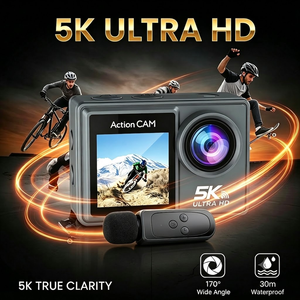
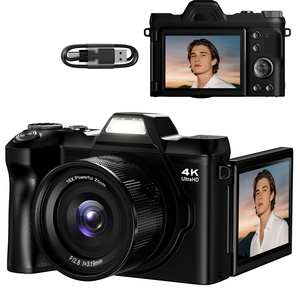
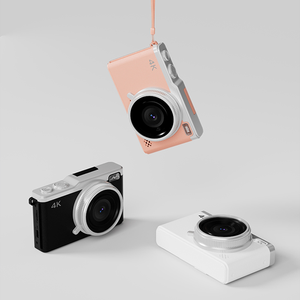
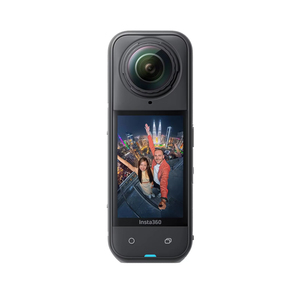
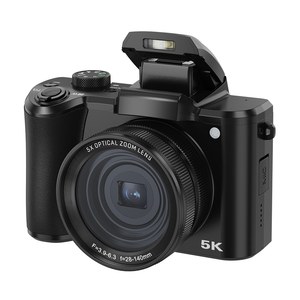
In the contemporary consumer electronics ecosystem, the global demand for dedicated selfie cameras, dual-screen action cams, and compact vlogging devices has experienced an extraordinary resurgence. Driven by content creators on TikTok, YouTube Shorts, and Instagram, alongside a growing parental movement seeking offline-first, kid-safe digital cameras, global procurement buyers are restructuring their consumer tech portfolios. As a premier CE certified selfie camera manufacturer and supplier, our enterprise operating model delivers white-paper level engineering integrity, transparent supply chain documentation, and advanced optical hardware designed to dominate retail shelves across Europe, North America, and Australia.
To navigate modern EU customs protocols and marketplace compliance (such as Amazon EU verification), obtaining genuine CE certification is not merely a bureaucratic formality—it represents a comprehensive engineering commitment. Devices must meet stringent Directive 2014/30/EU (Electromagnetic Compatibility - EMC), Directive 2014/35/EU (Low Voltage Directive - LVD), Directive 2014/53/EU (Radio Equipment Directive - RED for WiFi/Bluetooth models), and Directive 2011/65/EU (RoHS 2.0). Our manufacturing facilities integrate rigorous pre-testing protocols at the PCB layout stage, ensuring low electromagnetic emissions, clean signal paths, safe battery management circuits, and non-toxic, phthalate-free outer chassis materials.
The core differentiation of a commercial-grade selfie camera lies in its image signal processor (ISP) tuning and mechanical articulation. Unlike standard entry-level point-and-shoot models, a dedicated selfie camera incorporates either a 180-degree precision flip hinge or a dual-LCD panel configuration. Our OEM manufacturing process utilizes high-durability stainless steel torque hinges rated for over 50,000 continuous flip cycles without mechanical play or ribbon cable fatigue.
From an optical perspective, we source premium CMOS image sensors (including Sony IMX series and OmniVision high-resolution dies) paired with customized multi-layer anti-reflective glass lenses. For retro CCD-style models, our ISP algorithms reproduce vintage color science while preserving modern 4K/64MP pixel density. Furthermore, real-time electronic image stabilization (EIS) combined with hardware-level phase detection autofocus (PDAF) ensures that vlogging creators and young users achieve sharp focal tracking during dynamic movements.
As an established supplier trusted by tier-1 North American and European retailers (including Walmart, Target, Amazon, Macy's, Kohl's, and specialty toy chains like Learning Express), our factory infrastructure operates under ISO 9001:2015 quality control management systems. We bridge the gap between low-cost mass production and strict Western compliance standards.
Full compliance documentation including CE (EMC/LVD/RED), FCC Part 15, RoHS 2.0, REACH, and battery UN38.3 transport certification ready for immediate customs clearance.
White-label branding, customized boot logos, bespoke GUI UI designs, localized multi-lingual user manuals, and proprietary injection-molded housing colors.
In-line 100% functional testing, battery thermal stress screening, AQL Level II Major 1.0 / Minor 2.5 final random inspection with batch code traceability.
To safeguard our global wholesale partners against customs seizures or marketplace delistings, every production batch is backed by official lab test reports from accredited bodies (SGS, TÜV, Intertek):
Strategic procurement directors must anticipate consumer behavior shifts and regulatory changes. Based on quantitative retail data and consumer intent analysis, four decisive sourcing trends are shaping the digital imaging industry over the next five years:
The traditional single-lens compact camera is rapidly being replaced by multi-display architectures. B2B buyers are increasingly prioritizing dual-screen models (featuring a rear 2.4-inch to 3.0-inch LCD combined with a front-facing 1.3-inch to 1.5-inch preview display) or 360-degree dual-sensor cameras. This setup allows content creators and adventure enthusiasts to frame selfies without rotating the device or relying on external mirrors. Simultaneously, IP68 waterproofing without requiring an external plastic shell has become a premium standard for action-oriented selfie cameras.
Modern consumers expect immediate gratification. Next-generation selfie cameras are abandoning heavy post-production software workflows in favor of hardware-level AI ISP chips. These chips execute real-time facial recognition, skin tone optimization, background bokeh blurring, and low-light noise reduction directly on the device. For OEM buyers, offering pre-loaded creative filters and instant beauty modes provides a distinct selling point on e-commerce detail pages.
A major growth driver in the selfie camera sector is the privacy-conscious parental demographic. Parents are actively seeking smart digital devices that do not connect to cellular networks, do not require monthly app subscriptions, and do not track user location data. Cameras operating on secure, offline Linux or RTOS platforms with micro-SD storage provide a safe sandbox for children and young teens to express creativity while protecting consumer privacy.
European retail regulations are placing immense pressure on packaging waste. Importers are transitioning away from plastic blister packs and PVC window boxes toward FSC-certified recycled paper packaging, soy-based inks, and zero-plastic internal trays. Our factory provides turnkey, eco-designed packaging options engineered to withstand drop tests while reducing volume metrics to optimize container shipping rates.
To maintain competitive positioning, our R&D team continuously pushes the boundaries of optical engineering and microelectronics. The technological roadmap for our CE-certified selfie camera lineup focuses on three critical pillars:
While entry-level toy cameras rely on cheap 2P (two-element plastic) lenses that introduce chromatic aberration and edge distortion, our mid-to-high-tier selfie cameras utilize 3G2P (three glass, two plastic) or all-glass optical assemblies with multi-layer broad-band anti-reflective coatings. This drastically increases light transmission (TA > 92%), eliminates flare when shooting backlit selfies, and renders true-to-life 4K/5K video clarity.
Compact camera bodies operating high-bitrate 4K 60FPS or 5K video encoding generate significant internal heat. Unmanaged thermal build-up leads to CPU throttling, frame drops, or early thermal shutdown. Our engineering architecture combines high-density pure cobalt lithium-polymer battery cells (tested to UL 1642 and UN38.3 standards) with internal graphite thermal pads and aluminum alloy heat sinks. This design allows uninterrupted continuous recording times of up to 105 minutes under heavy workloads.
Accelerate your retail growth with fully certified, high-margin selfie cameras, 4K/8K vlogging cams, and kid-safe optics. Request direct factory quotes, spec sheets, and sample units today.