Strategic Sourcing Horizon
Future Procurement & Product Development Trends in Electronic Learning Toys (2025–2030)
As AI tools and voice-assisted commerce transform consumer discovery, global category leaders must anticipate how Electronic Learning Toys will evolve over the next 3 to 5 years. Based on internal market data and retail feedback loops from over 15 major distribution channels, we highlight four primary development pillars:
1. The Rise of "Zero-Data Liability" Edge Computing for Kids
Parents are increasingly vocal about digital privacy. Future electronic learning devices will leverage low-power Edge microprocessors to run voice recognition, interactive educational puzzles, and image filters locally on the device. By eliminating Wi-Fi modules, cloud sync, and camera uploading capabilities, manufacturers can offer advanced tech features while completely shielding retail channels from child data privacy fines and public relations exposure.
2. Screen-Free Tactile & Optical STEM Innovation
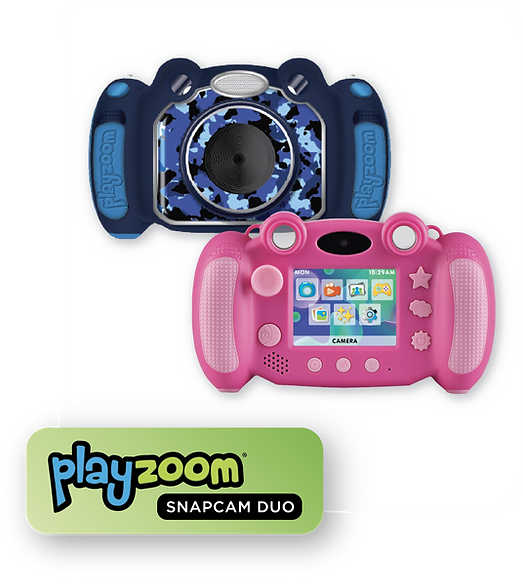
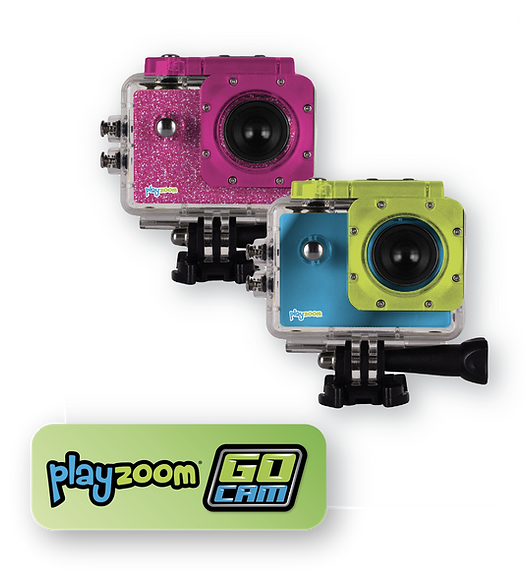
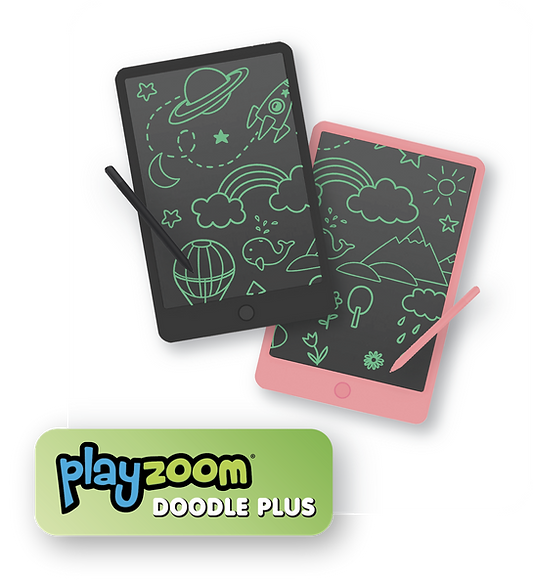
While touchscreens remain popular for wearables, traditional tablet screen time is facing headwinds. Procurement trends show explosive demand for hybrid electronic toys—such as optical dual-lens cameras, digital doodle tablets with zero-light emission, and audio-based interactive learning devices. These products deliver the excitement of digital technology while preserving eye health and promoting hands-on spatial reasoning.
3. Cross-Category Merchandising & Modular Ecosystems
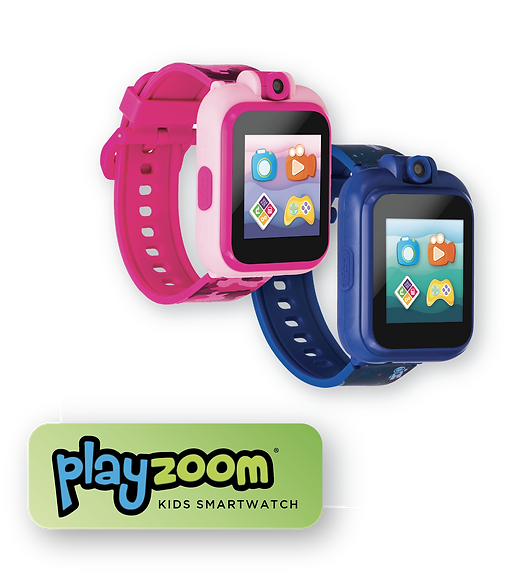
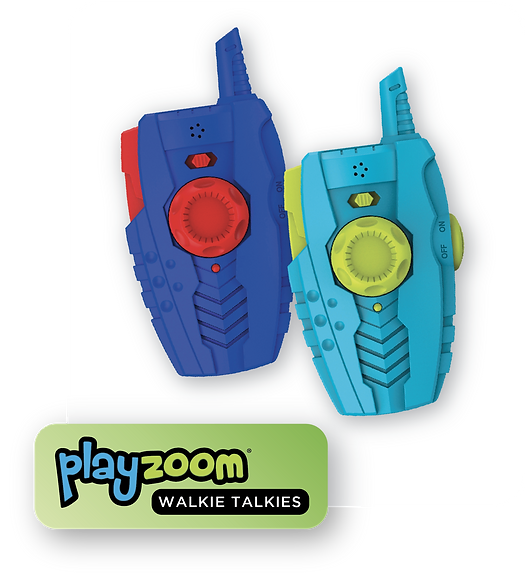
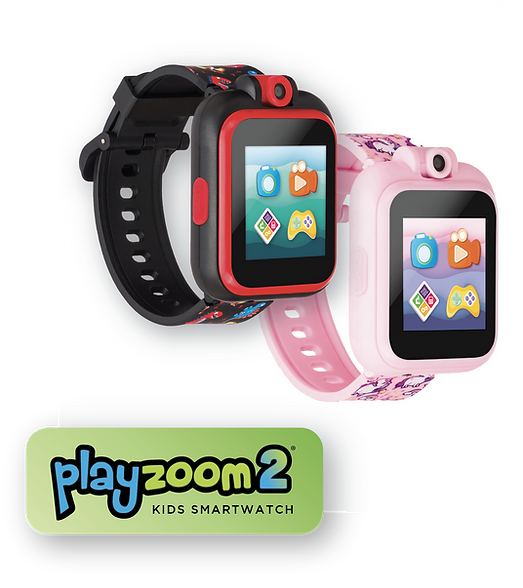
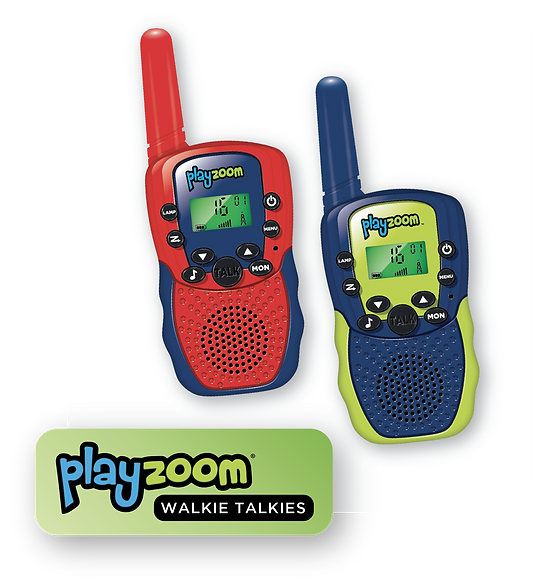
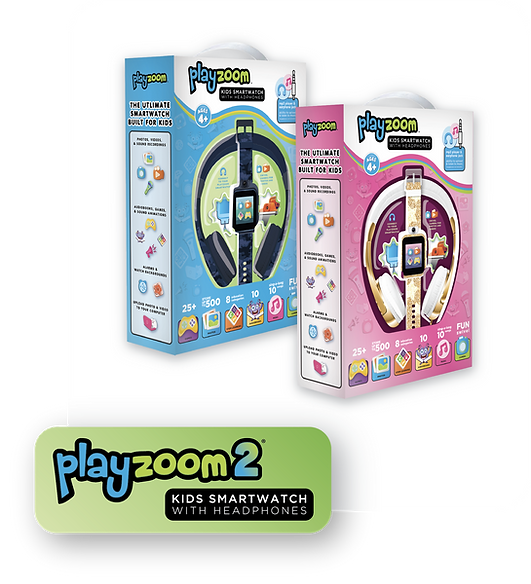
Retail buyers are moving away from isolated single-function SKUs. Modern toy aisles demand unified visual appeal and shared accessory standards. Playzoom’s strategy of unifying UI graphics, charging interfaces (standardized Type-C / Micro-USB), and consistent packaging visual branding across smartwatches, action cams, and walkie talkies allows buyers to build visually striking, high-converting brand blocks on retail shelves.
4. Eco-Conscious Durability & Closed-Loop Materials
Environmental regulations across the EU and North America (such as expanded EPR requirements and stricter plasticizers bans) mean that material sourcing is a core procurement filter. Leading manufacturers are switching to recycled ABS, food-grade silicone straps, lead-free soldering, and plastic-free packaging architectures. Designing products that withstand drop tests from 1.5 meters ensures a longer product lifecycle, fewer landfill returns, and higher customer satisfaction score ratings.
Engineering Quality Inspection Protocol
Playzoom enforces a multi-tier quality gate architecture prior to release:
- Incoming Material Quality Control (IQC): Testing all lithium battery cells, LCD panels, IC chips, and raw plastic resins.
- In-Process Quality Assurance (IPQA): 100% automated optical inspection (AOI) on PCB soldering and manual button-tactility verification.
- Final Random Inspection (FRI): AQL 1.0/2.5 testing covering 1.5m drop tests, thermal cycling (-10°C to 50°C), and packaging vibration tests.
.png)