.png)
Direct factory wholesale options engineered with low-latency displays, optimized power management, and turnkey customization packages.
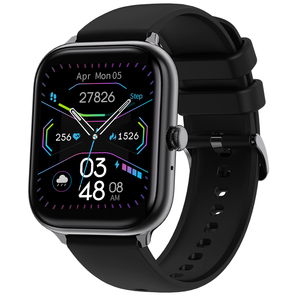
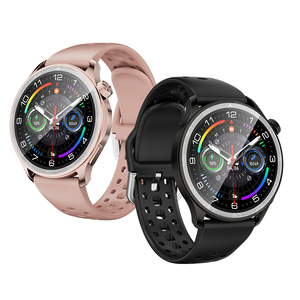
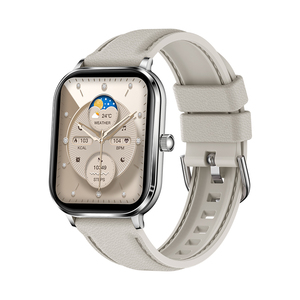
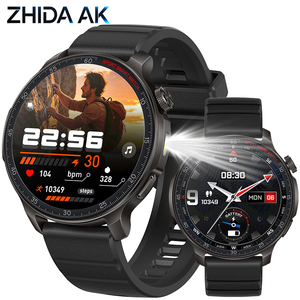
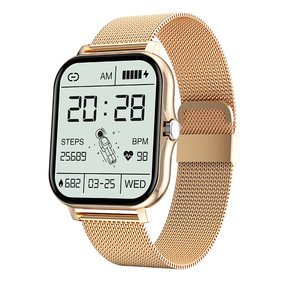
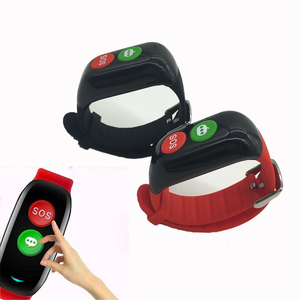
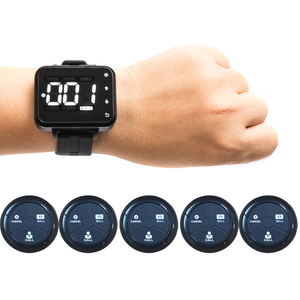
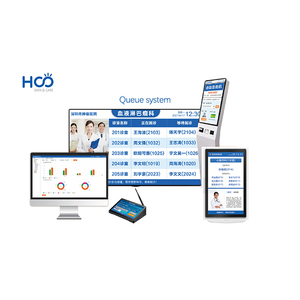
The global demand for portable electronic entertainment, smart wrist terminals, and dedicated handheld gaming consoles has experienced a structural paradigm shift. International retail buyers, commercial distributors, and OEM brand owners searching for the China Best Handheld Console Factories & Supplier require far more than basic wholesale directory listings. Modern hardware procurement demands deep engineering insights into chipset supply chains, thermal optimization, structural mold tolerances, firmware scalability, and strict international compliance standards.
China's Pearl River Delta electronics cluster—primarily centered around Shenzhen, Dongguan, and Huizhou—produces over 85% of the world’s handheld gaming systems, portable smart hardware, and customized electronic learning terminals. Navigating this dense industrial ecosystem requires a clear analytical framework to evaluate factory capabilities, quality control mechanisms, and technological roadmaps.
Strategic Sourcing Gain: Authentic enterprise value is created when buyers align with tier-1 original equipment manufacturers (OEMs) capable of delivering low-latency screen driver ICs, custom Linux/Android firmware builds, high-capacity UN38.3-certified battery cells, and robust drop-resistant injection-molded chassis.
When evaluating handheld console factories in China, procurement teams must categorize hardware architectures based on intended end-user applications and price-performance targets:
Rigorous pre-production golden sample locking, automated SMT optical inspection (AOI), 100% burn-in testing, and final AQL 0.65/1.5 sampling verification safeguard every mass-production run.
Full-stack OS customization—including kernel tuning, custom launcher UI, multi-language localization, button remapping, and zero-ad offline architecture—built directly into flash storage.
In-house CNC mold production delivering high-impact ABS+PC composite shells, double-shot injection keys, tactile micro-switches, and anti-slip surface textures engineered for continuous durability.
As the international hardware marketplace evolves, global retail buyers must anticipate key technological shifts that will dictate consumer preferences and regulatory requirements over the coming decade:
European and North American regulatory bodies are implementing stricter environmental directives regarding post-consumer recycled (PCR) plastics in electronic housing. Top-tier China handheld console factories are actively integrating RoHS-certified and REACH-compliant PCR ABS resins into casing production, reducing carbon footprints without sacrificing mechanical tensile strength.
While standard IPS displays remain the industry baseline for cost-sensitive handhelds, mid-to-high tier consoles are rapidly transitioning to custom AMOLED displays. High-contrast ratio panels with per-pixel dimming, lower power consumption, and response times under 1ms provide a distinct competitive advantage for retail brands seeking higher profit margins.
Next-generation handheld consoles require larger energy density within compact dimensions. Sourcing partners must ensure suppliers utilize cell chemistry verified under UN38.3, IEC 62133, and UL 2054 standards. Furthermore, integration of USB Power Delivery (USB-PD) charging ICs enables fast-charging capability without generating localized hot spots on control surfaces.
The integration of Dual-Band Wi-Fi 6 (802.11ax) and low-latency Bluetooth 5.3 audio modules is becoming a standard feature requirement. Modern handheld devices serve dual roles: executing local offline retro/learning emulation while providing seamless streaming capability for cloud gaming platforms and server-side software.
Entering tier-1 retail channels across North America and Europe requires comprehensive compliance documentation. Leading Chinese manufacturers manage both electronic safety and toy-grade physical safety testing tracks concurrently:

Evaluating potential supplier partners requires a systematic audit of factory infrastructure and operational procedures. B2B buyers should request documented evidence across the following operational domains:
High-reliability factories operate multi-line Yamaha or Fuji high-speed SMT placement machinery within ESD-controlled, cleanroom environments. Automated solder paste inspection (SPI) and X-ray inspection for Ball Grid Array (BGA) chipsets ensure long-term PCB solder joint integrity under thermal cycling.
Top-tier suppliers maintain dedicated reliability laboratories equipped with thermal shock chambers, micro-drop testing machines, button actuation life-cycle testers (minimum 500,000 presses per key), salt-spray corrosion chambers, and vibration test tables. Requesting factory test logs for these metrics separates true manufacturers from trading intermediaries.
Each production lot must carry unique serial numbers linked to component supplier batch codes, SMT operator logs, firmware build hashes, and final inspection reports. This level of traceability simplifies post-sales warranty analysis and drastically reduces global RMA rates for retail partners.
Retail Distribution Proven Performance: Our manufacturing platforms and quality control architectures have successfully supplied major global distribution and retail channels including Walmart, Target, Amazon, Macy's, Kohl's, JCPenney, Belk, Boscov's, Burlington, Bealls, Nordstrom Rack, Century 21, and Learning Express.
Partner with an established China handheld console factory equipped with ISO-certified assembly lines, strict compliance frameworks, and comprehensive OEM/ODM customization capabilities.