.png)
Precision-engineered, lab-certified electronic educational toys designed for North American and European retail compliance.
An in-depth evaluation of supply chain shifts, eye-care display innovations, and regulatory compliance frameworks for global B2B buyers.
In the evolving consumer electronics landscape, international buyers—ranging from big-box retailers like Target and Walmart to specialized Amazon private labels—are aggressively pivoting away from subscription-dependent smart devices toward offline-first, privacy-secure hardware. Recent regulatory updates under COPPA (Children’s Online Privacy Protection Act) and Europe’s GDPR-K have made cloud-connected devices a legal compliance minefield for retail importers.
As leading exporters in China's tech manufacturing hubs (Shenzhen and Dongguan), top OEM/ODM facilities are engineering a new category of Zero-Subscription Electronic Learning Toys. By embedding localized interactive logic, pressure-sensitive LCD drawing engines, pre-loaded micro-code learning games, and offline voice synthesis directly into localized ROM chips, exporters offer high-margin retail solutions with zero recurring operational liability.
The global demand for electronic toy tablets is dominated by two primary display architecture choices: Bistable Cholesteric Liquid Crystal (LCD) writing panels and Electrophoretic E-Ink displays. Understanding the technical trade-offs is critical for procurement executives balancing unit costs against user experience.
Utilizing zero-power bistable technology, these displays reflect ambient light without emitting blue light spectrums (415–455nm). They offer ultra-low production costs, instantaneous stylus response (<10ms), and 100,000+ erase cycles powered by a single CR2025 button cell battery.
Designed for premium educational tablets for ages 6–12, hybrid E-Ink panels integrate soft backlighting with glare-free matte surfaces. Top Chinese exporters now combine dual-touch capacitive layers with localized stylus digitizers, offering paper-like drawing precision alongside low-power interactive UI.
Global retail chains are establishing strict ESG benchmarks for 2026+. Leading exporters in China are transitioning housing construction from traditional virgin ABS to certified recycled ABS, post-consumer resin (PCR) plastics, and biodegradable wheat straw composite polymers.
Simultaneously, silicone protective bumpers are transitioning to food-grade, phthalate-free liquid silicone rubber (LSR), satisfying both European REACH Annex XVII regulations and California Proposition 65 toxicity constraints.
Power management represents the most scrutinized vulnerability in children’s consumer electronics. Modern toy tablet exporters integrate micro-LiPo (Lithium Polymer) cells equipped with hardware-level PCM (Protection Circuit Modules) that prevent overcharge, deep discharge, and thermal runaway.
All battery packs exported under tier-1 manufacturer agreements undergo rigorous UN38.3 altitude, thermal vibration, and 1.2m drop testing to guarantee seamless ocean freight and air freight consolidation.
Future toy tablets are bridging screen-free play with smart interaction. By embedding low-power Neural Processing Units (NPUs) directly into system-on-chip (SoC) architectures, 2026-generation tablets will support offline stroke recognition, real-time handwriting feedback, and voice-assisted interactive storyboards without requiring Wi-Fi or cellular connections.
A side-by-side technical evaluation of safety standards required for importing Chinese toy tablets into tier-1 international markets.
| Regulatory Standard | Target Jurisdiction | Core Testing Scope & Technical Limits | Compliance Enforcement Priority |
|---|---|---|---|
| ASTM F963-17 / CPSIA | United States | Heavy metal soluble limits (Lead < 90ppm, Cadmium, Antimony), Mechanical sharp edges/points, Small parts choke hazard (16 CFR 1501), Tracking labels. | Mandatory for US Customs clearance & CPSC entry. |
| EN71 (Parts 1, 2, 3, 9) | European Union / UK | Physical properties, Flammability, Migration of 19 heavy elements, Organic chemical compounds. Phthalate restrictions under REACH. | Mandatory CE / UKCA mark prerequisite. |
| EN62115 & IEC 62115 | Global / EU | Electric toy safety, heat resistance, battery enclosure security (screw-locked coin cell compartments), radiation safety of displays & LEDs. | Critical for all battery-powered electronic learning toys. |
| FCC Part 15 Subpart B | United States | Unintentional radiator emissions verification for internal clock oscillators and microcontrollers to prevent radio interference. | Federal law requirement for digital devices. |
| UN38.3 / MSDS / IEC 62133 | Global Logistics | Lithium battery transport safety: pressure simulation, impact, forced discharge, external short circuit, and 55°C thermal stability testing. | Mandatory for ocean shipping lines & air cargo carriers. |
Our manufacturing facilities represent the pinnacle of specialized export production for children’s interactive wearables and screen-free LCD tablets. Operating out of ISO 9001:2015 and BSCI-audited industrial parks, our factory lines integrate end-to-end production—from precision injection molding and SMT surface-mount technology to cleanroom optical bonding and automated packaging.
Our products, engineering standards, and packaging architectures are thoroughly battle-tested across the world's most demanding retail channels. By maintaining zero-defect supply chains, our OEM/ODM products are distributed across tier-1 North American department stores, mass merchants, off-price chains, and specialty toy sellers.












Our retail-ready window box, clamshell-free, and mailer-safe packaging options are pre-configured to meet strict vendor compliance guides.
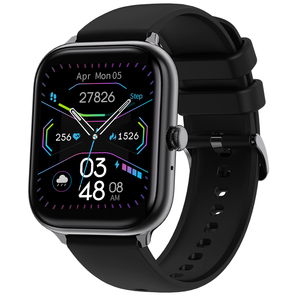
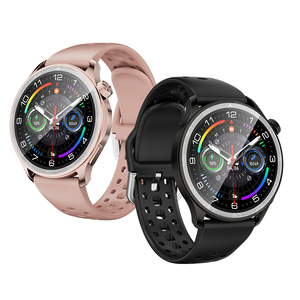
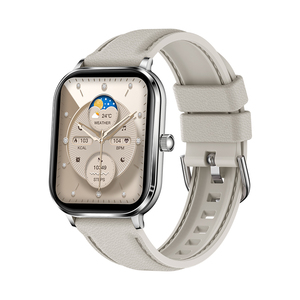
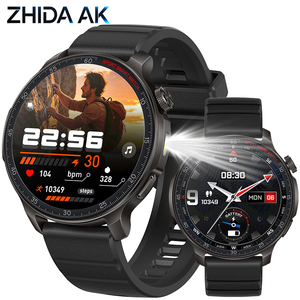
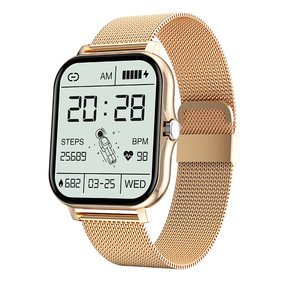
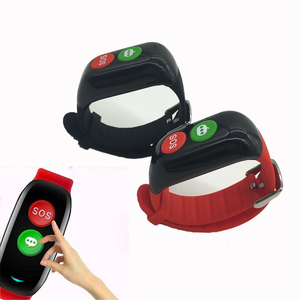
From LCD writing tablets and interactive dual-lens cameras to waterproof smartwatches and walkie talkies, our factory provides a single cohesive tech-toy shelf for global importers.

Addressing core technical, regulatory, shipping, and customization inquiries for China toy tablet exports.