.png)
Direct-from-factory OEM/ODM hardware portfolios optimized for global consumer electronics brands, retail chains, and specialty gaming importers.
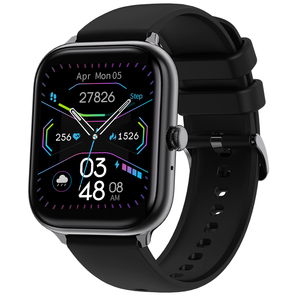
Engineered with a high-durability alloy housing, IP68 waterproofing, Bluetooth voice call capabilities, and integrated mini-arcade logic for dual gaming and wellness tracking.
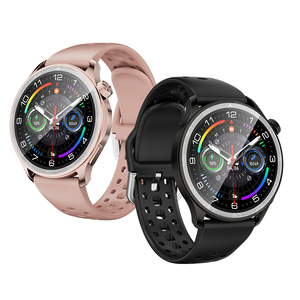
Ultra-clear AMOLED display console wearable with real-time AI simultaneous translation, low-power Bluetooth IC, and multi-sport gaming algorithms built for 2026 lineups.
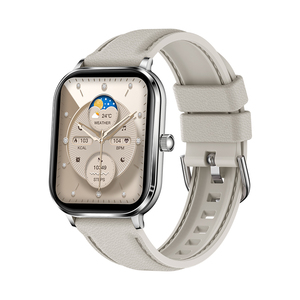
Direct factory production model with high refresh rate IPS panel, IPX8 waterproof rating, SpO2 sensor integration, and ergonomic silicone strap architecture.
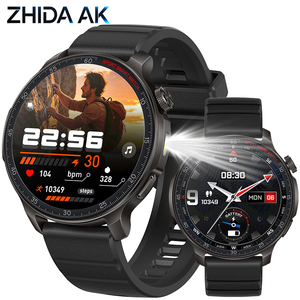
Heavy-duty 1.46-inch round display terminal packed with a 1000mAh long-standby battery, LED emergency illumination, and impact-resistant outer chassis.
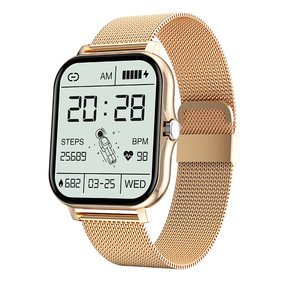
Top-selling cross-border export model with high-definition glass touch panel, multi-language UI localization, and high-margin retail distribution packaging.
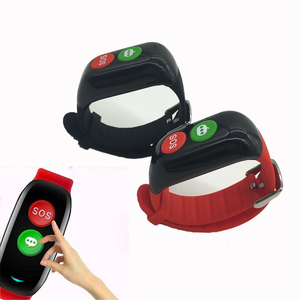
Specialized safety tracking device with one-key SOS triggering, real-time GPS telemetry, fall-detection sensors, and simplified touch controls for active users.
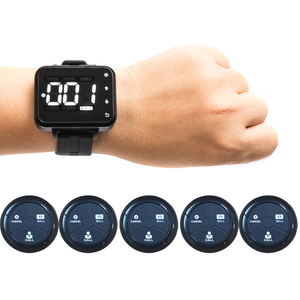
Industrial-grade 433MHz / 868MHz RF wireless paging console system designed for high-frequency venue interaction, zero packet loss, and extended transmission range.

Clinical and hospitality wireless alert wrist-terminal supporting Wi-Fi network syncing, multi-channel queuing logic, and custom firmware button mappings.
The global interactive entertainment hardware sector is undergoing a profound structural evolution. Driven by rapid advancements in system-on-chip (SoC) efficiency, high-density display technologies, and localized supply chain integration, China's game console manufacturing ecosystem accounts for over 70% of global hardware output. From retro emulation handhelds and compact Android/Linux consoles to high-performance x86 mobile gaming PCs and interactive smart terminals, Chinese manufacturing hubs in Shenzhen, Dongguan, and Huizhou have transitioned from pure contract assembly to high-value OEM/ODM engineering partners.
For international retail buyers, hardware brand owners, and procurement directors, navigating the Chinese supplier matrix requires a sophisticated understanding of manufacturing capabilities, component sourcing pricing, thermal design power (TDP) engineering, and international regulatory compliance. This comprehensive whitepaper explores the operational dynamics of top Chinese game console factories, highlighting core technological competencies, product safety frameworks, cost-optimization strategies, and future sourcing trends heading into 2026–2030.
Direct tier-1 partnerships with chipset suppliers (Rockchip, Allwinner, MediaTek, Qualcomm, AMD) ensuring priority wafer allocation and low BOM costs.
In-house high-precision CNC mold tooling, double-shot injection molding, and ergonomic casing designs tailored to strict dimensional tolerances.
End-to-end certification management covering ASTM F963, CPSIA, EN71, EN62115, FCC, CE, RoHS, and UN38.3 battery transport safety standards.
The rapid maturation of China's game console production lines stems from a concentrated micro-electronics supply cluster located in the Pearl River Delta. Unlike fragmented manufacturing regions, a top-tier Chinese game console factory operates within a 50-kilometer supply radius containing screen module bonders, lithium polymer battery pouch producers, SMT (Surface Mount Technology) high-speed placement centers, and tooling facilities.
This geographic density grants OEM/ODM clients unprecedented agility. A custom PCB re-layout for an ARM-based handheld console can progress from initial CAD schematics to SMT quick-turn prototyping in under 14 days. Furthermore, local procurement teams leverage direct contracts with panel manufacturers (such as BOE, Tianma, and CSOT), securing IPS and AMOLED displays with optimized refresh rates (60Hz to 120Hz) and custom backlight brightness specifications tailored for outdoor outdoor playability.
| Architecture Class | Primary Target Market | Typical Chipsets / Microcontrollers | Key Sourcing Advantage | Quality Focus Area |
|---|---|---|---|---|
| Microcontroller / Retro Arcade | Entry-level retail, novelty gifts, mass merchandise | Allwinner F1C200s, Actions Semi, Custom 8-bit/16-bit ICs | Ultra-low BOM cost (<$8.00), zero licensing friction | Button rubber dome durability, screen bleed control |
| Mid-Range Linux / Android Handhelds | Specialty gaming retail, retro enthusiasts, cross-border e-com | Rockchip RK3566/RK3588, MediaTek Dimensity, Unisoc T618 | High emulation performance per dollar, open-source OS flexibility | Thermal dissipation, Hall-effect sensor calibration |
| High-End x86 / ARM Smart Terminals | Hardcore gaming brands, enterprise interactive kiosks | AMD Ryzen Z1 / 7000 series, Intel Core Ultra, Qualcomm Snapdragon | AAA game playability, Windows/SteamOS compatibility | Active fan noise profiling, high-wattage USB-PD safety |
| Wearable & Kids Smart Terminals | Toy retail chains, edutainment, safety tracking buyers | Low-power RTOS, Nordic BLE, Spreadtrum 4G LTE SoCs | Kid-safe materials, integrated sensors, subscription-free play | Phthalate-free silicone, drop/tumble impact resistance |
Evaluating a top Chinese console factory requires looking beyond superficial assembly capabilities and auditing their core hardware engineering proficiency. Professional manufacturers maintain dedicated R&D teams specializing in four key domain disciplines:
As handheld processors push higher clock speeds and dual-cluster CPU/GPU performance, heat dissipation becomes the primary cause of hardware throttling and component failure. Top factories utilize finite element analysis (FEA) thermal simulation tools to design active copper heat-pipe vapor chambers coupled with dynamic PWM ultra-quiet centrifugal fans. On passive compact consoles, high-density graphite thermal pads are layered across the aluminum alloy chassis to evenly disperse heat without creating hot spots on finger grip areas.
User experience in gaming hardware is fundamentally governed by tactile input precision. Modern Chinese manufacturers lead the industry in implementing Hall-Effect magnetic induction joysticks and analog triggers. Unlike traditional potentiometer-based sticks susceptible to dust wear and drift over time, Hall-effect sensors utilize non-contact magnetic positioning, guaranteeing zero dead-zone degradation over millions of operational cycles. Factories implement automated robotic testing rigs to measure spring tension, button actuate force (gram force curve), and d-pad pivot accuracy.
Portable gaming consoles demand high-capacity lithium-polymer battery packs (ranging from 3,000mAh in compact units to over 10,000mAh in power-hungry devices). Leading factories integrate dual-MOSFET battery protection ICs into the PCB design, preventing over-charging, over-discharging, thermal runaway, and short circuits. Furthermore, charging logic is upgraded to support USB Power Delivery (USB-PD 3.0) and QuickCharge standards, enabling rapid replenishment while maintaining strict compliance with UN38.3 battery transport standards.
Procurement managers must align their 3-to-5-year hardware roadmap with key technological shifts taking place in Chinese manufacturing centers. The following key trends are shaping the future of console sourcing:
Next-generation mid-tier ARM chipsets manufactured for the 2026–2030 cycle integrate dedicated Neural Processing Units (NPUs). Factory software engineering teams are implementing lightweight spatial and temporal AI upscaling algorithms directly into system firmware. This enables a lower-cost SoC to render games internally at 720p while outputting a crisp 1080p or 4K signal to external displays without drawing excess power.
The line between smart wearables, safety trackers, and portable gaming terminals is blurring. As demonstrated in our product showcase, wrist-worn alloy terminals featuring AMOLED touchscreens and low-power Bluetooth microcontrollers allow consumers to enjoy snackable arcade gaming, health tracking, and push-to-talk communications on a single device. OEM buyers are increasingly sourcing hybrid products that bridge the toy, wellness, and consumer electronics categories.
With Xbox Cloud Gaming, NVIDIA GeForce NOW, and localized cloud platforms expanding globally, Chinese factories are building ultra-lean "Cloud Terminal Consoles." By shifting heavy graphical processing to remote servers, the physical handheld requires only a high-bitrate Wi-Fi 6E/7 decoding module, a high-contrast display, and ultra-low latency input controls. This dramatically reduces device weight, battery consumption, and overall BOM cost.
Driven by European Union Green Deal mandates and global corporate ESG requirements, top Chinese factories are substituting traditional virgin ABS and Polycarbonate plastics with Post-Consumer Recycled (PCR) resins. Packaging architecture is simultaneously transitioning to 100% biodegradable molded sugarcane pulp trays, eliminating single-use clamshell plastics and reducing container shipping volume through optimized box dimensions.
When partnering with a premier Chinese console manufacturer, global brands leverage an established operational framework designed to eliminate retail friction, store returns, and regulatory compliance risks.
Children’s electronics and smart gaming hardware exist at the strict intersection of international toy safety mandates and radio communications regulations. A robust factory manages both testing tracks concurrently, providing buyers with comprehensive technical dossiers ready for audit:
Quality assurance begins long before mass assembly commences. Premier Chinese manufacturing facilities enforce a rigid 4-step quality gate process:
A factory's credibility is validated by its presence in global retail channels. Leading Chinese OEM/ODM producers maintain proven track records of supplying major North American, European, and Asia-Pacific retail ecosystems, including Walmart, Target, Amazon, Macy's, Kohl's, JCPenney, Belk, Boscov's, Burlington, Bealls, Nordstrom Rack, and Learning Express. Sourcing from experienced suppliers ensures that barcoding, master carton packaging density, drop-test tolerances, and EDI logistics documentation meet stringent retailer compliance books without costly vendor chargebacks.
Detailed guidance for procurement officers, product managers, and supply chain directors evaluating Chinese game console manufacturers.