.png)
Direct factory inventory and customized OEM/ODM smart hardware engineered for global retail chains and importers.
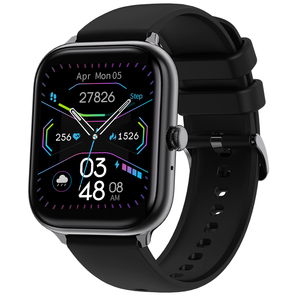
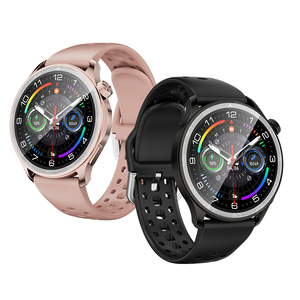
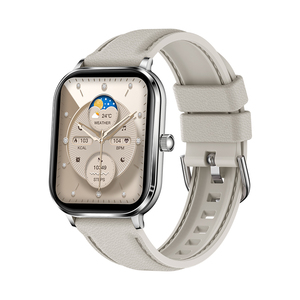
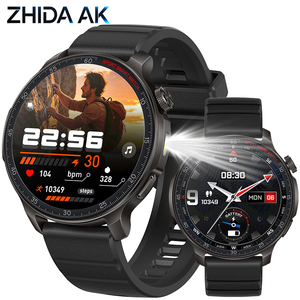
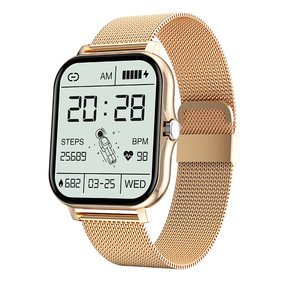
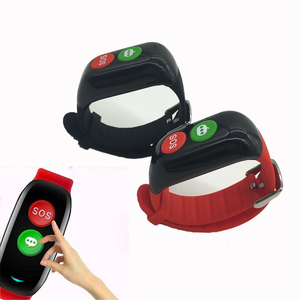
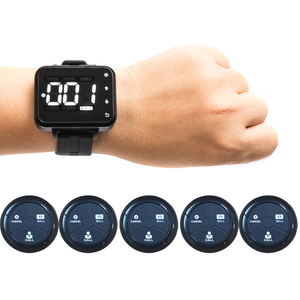
The global educational and electronic learning toy market is undergoing a seismic architectural shift. As retail buyers and institutional sourcing directors re-evaluate supply chain resilience, Chinese manufacturing hubs—specifically within Guangdong Province (Shenzhen, Dongguan, and Shantou)—have evolved from high-volume assembly lines into integrated technology research centers. Modern sourcing in the educational toy category demands deep operational expertise across both consumer electronics standards and stringent child safety regulatory frameworks.
Unlike standard consumer electronics, educational toys operate under dual regulatory governance: electrical/wireless safety (FCC, CE, RoHS) and mechanical/material toxicology safety (ASTM F963, CPSIA, EN71, EN62115). Selecting a China OEM partner requires verifying that factory Quality Management Systems (QMS) encompass locked-sample golden units, batch-traceable raw material chains, and UN38.3 lithium battery transportation compliance.
Why leading global retailers including Walmart, Target, Amazon, Macy's, Kohl's, and JCPenney rely on our manufacturing infrastructure.
Our production facilities utilize food-grade non-toxic silicone, phthalate-free ABS plastics, and ultra-durable drop-resistant structural housings. Every production batch undergoes heavy metal extraction testing, sharp edge verification, and small-parts pull testing in compliance with ASTM F963 and CPSIA directives.
Addressing growing consumer privacy concerns, our core range of smart educational devices and children's wearable cameras operates offline without mandatory SIM cards or recurring monthly subscriptions. This architecture guarantees full COPPA and GDPR-K compliance out of the box, mitigating risk for international distributors.
From Incoming Quality Control (IQC) of lithium battery cells to In-Process Quality Control (IPQC) for waterproof screen bonding and Final Quality Control (FQC) based on strict AQL standard sampling plans, every item carries laser-engraved batch tracking numbers for rapid warranty lifecycle identification.
| Target Market / Region | Mandatory Safety & Testing Standards | Electrical & Wireless Certification | Battery Safety Protocols |
|---|---|---|---|
| United States & Canada | ASTM F963-17, CPSIA Lead & Phthalates, California Prop 65 | FCC ID (Part 15 Class B), California Energy Commission (CEC) | UN38.3, UL1642, MSDS Certification |
| European Union & UK | EN71 (Parts 1, 2, 3), EN62115 (Electric Toys Safety), REACH Annex XVII | CE-RED (Radio Equipment Directive), RoHS 2.0 (2011/65/EU) | EN62115 Battery Chamber Safety, UN38.3 Air/Sea Cargo |
| Australia & New Zealand | AS/NZS ISO 8124 Safety of Toys, Mandatory Button Battery Standard | RCM Mark Compliance, ACMA Standards | International IEC 62133 Lithium Cell Verification |
As technology costs drop and micro-processing capabilities advance, the global educational toy sector is undergoing key structural transformations. Importers and enterprise buyers must align their product portfolios with these long-term technical evolutions:
To combat digital eye fatigue and excessive passive screen exposure, leading educational brands are prioritizing screen-free tactile interaction. Integrating voice-recognition ICs, optical RFID reader pens, and dynamic physical feedback mechanisms allows children to engage in gamified learning without LCD displays.
Tier-1 Western retailers are establishing aggressive ESG mandates requiring 30% to 50% post-consumer recycled (PCR) plastics or bio-based PLA polymers in toy construction by 2028. Chinese manufacturing facilities are rapidly upgrading injection tooling to accommodate eco-friendly polymer blends without degrading drop-test performance.
Children's wearables are evolving beyond simple step counters into multi-functional educational hubs. Future product architectures seamlessly blend active play tracking, localized emergency signaling, micro-camera imaging, and interactive auditory memory games into compact, IP68 waterproof housings.
Sourcing educational toys directly from China requires proactive procurement strategies designed to absorb global economic shifts, freight volatility, and regulatory evolution. Sourcing managers should consider the following operational imperatives:
To prevent stockouts caused by component bottlenecks, top-tier exporters are implementing modular PCB designs. Shared display drivers, standardized battery dimensions, and unified firmware shells allow factories to adjust shell colors, casing motifs, and packaging formats with low minimum order quantities (MOQs) while maintaining high manufacturing speeds.
With e-commerce platforms (Amazon, Target.com) prioritizing minimal packaging waste, buyers are demanding dual-purpose retail/e-commerce packaging. Modern educational toy factories must offer certified Frustration-Free Packaging (FFP) options alongside vibrant window-box shelf displays, reducing transit damage and lower fulfillment costs.
Securing space on major retail shelves requires factories to maintain ongoing compliance with international labor and workplace safety standards. Importers must confirm their primary China manufacturing partners possess validated SMETA (SEDEX), BSCI, or ISO 9001 audit certifications, ensuring ethical supply chain integrity that protects consumer brand reputation.
Detailed answers to critical technical, regulatory, and logistics questions encountered by enterprise buyers.
Connect directly with our engineering and export team to request full compliance test reports, factory audit documentation, and competitive volume tier pricing for your retail catalog.
Get a Quote