.png)
Directly sourced from certified precision optical manufacturing lines. Engineered for ultra-HD capture, extreme environmental resistance, and global retail compliance.
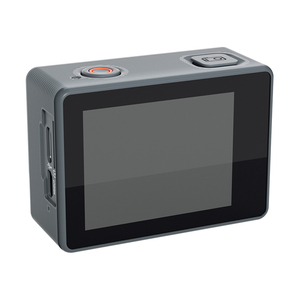
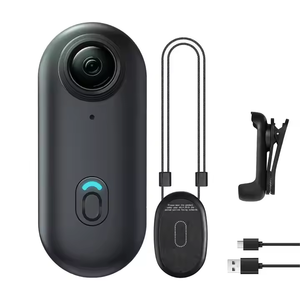
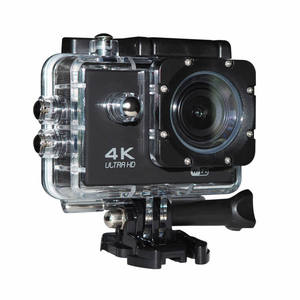
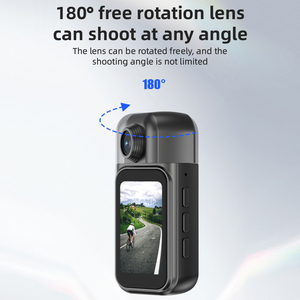
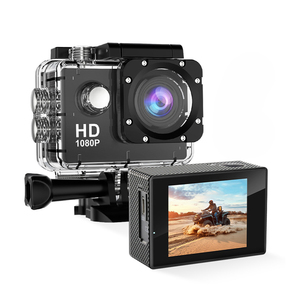
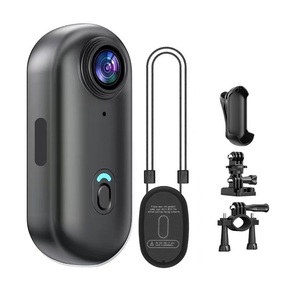
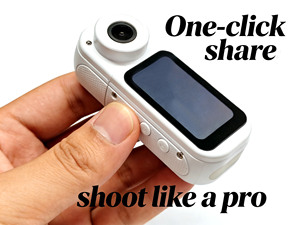
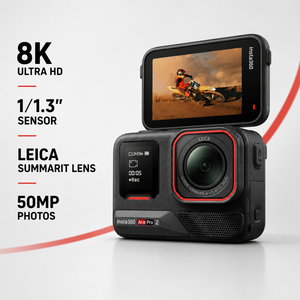
Analyzing the shift from commoditized consumer electronics to high-margin, AI-enhanced, point-of-view (POV) imaging platforms.
The global market for action cameras and personal vlogging optical hardware is undergoing a structural evolution. Driven by content creation platforms such as TikTok, YouTube Shorts, and Instagram Reels, global buyer intent has migrated from basic 1080p recording devices toward high dynamic range (HDR) optical systems, hardware-level Electronic Image Stabilization (EIS), and miniature thumb-sized form factors.
As the world's primary epicenter for electro-optical assembly and system-on-chip (SoC) integration, China's manufacturing clusters in Shenzhen and Dongguan produce over 85% of global action camera exports. However, navigating this vast industrial supply chain requires B2B importers, brand owners, and retail merchandisers to look beyond surface-level specifications.
Evaluating OEM/ODM partners demands a rigorous audit of optical calibration protocols, heat dissipation engineering in sealed waterproof housings, zero-subscription firmware integrity, and international toy/electronics regulatory compliance (including ASTM F963, CPSIA, EN71, FCC, and UN38.3 battery transport validation).

Figure 1: Full-spectrum OEM product architecture spanning wearable POV cams to flagship 8K AI sensors.
What B2B procurement officers and product managers must know before locking in 2026–2030 tooling specifications.
The industry is rapidly transitioning from standard 1/2.3-inch image sensors to larger 1/1.3-inch CMOS optical sensors. This technological leap dramatically improves low-light signal-to-noise ratios (SNR), expands dynamic range in high-contrast sports environments, and enables true native 8K video capture alongside 4K @ 120fps high-frame-rate recording for fluid slow-motion playback.
Mechanical gimbals add weight and points of failure. Modern action camera factories are embedding 6-axis inertial measurement units (IMU) linked directly to Image Signal Processors (ISP). Real-time FlowState horizon balancing algorithms eliminate vibration jitter during off-road cycling, motorcycling, and aquatic sports without requiring heavy physical stabilization rigs.
Portability is driving a major wave of mini thumb-sized cameras weighing under 40 grams. OEM factories have re-engineered PCB component density, utilizing high-density lithium polymer batteries and neodymium magnetic mounting plates that allow users to wear the camera directly on clothing for hands-free POV vlogging.
Front-facing auxiliary displays have evolved from basic segment LCDs to full-color 1.4-inch preview screens. Premium action camera designs now incorporate flip-up touchscreen displays, giving vloggers precise framing feedback while keeping the overall thermal profile below critical limits during continuous recording.
Transitioning from legacy H.264 to H.265/HEVC video compression reduces file storage footprints by up to 50% while preserving ultra-high-definition image fidelity. Concurrently, native support for 2.4G/5.8G Dual-Band WiFi and external wireless Bluetooth microphones ensures broadcast-grade audio capture.
Sustained 4K and 5K video processing generates substantial thermal output. Leading suppliers utilize magnesium-alloy internal frames and phase-change thermal pad compounds to conduct heat away from the core SoC toward external heat-sink fins without sacrificing 30-meter IPX8 waterproof integrity.
Navigating minimum order quantities (MOQs), private labeling, custom firmware, and cost optimization.
Bridging high-volume optics assembly with internationally audited compliance and zero-defect quality control.
Children's action cameras and sports recording electronics sit at the complex junction of toy safety, radio frequency emissions, and battery transport safety. Our manufacturing facilities manage every regulatory vector concurrently, providing global buyers with verifiable third-party lab documentation:
Golden optical samples are strictly locked before mass production starts. In-line quality checkpoints monitor sensor dust-free assembly in Class 10,000 cleanrooms, screen optical bonding, button-cycle endurance, waterproof vacuum chamber pressure integrity, and firmware validation. Production runs are audited under strict AQL 1.5 Sampling Inspection and backed by complete batch-code traceability.
Our manufacturing capability is vetted and trusted by major North American department stores, national retail chains, and ecommerce category leaders:






Detailed answers to critical technical, logistical, and compliance questions asked by procurement teams.
Whether you require fast-turnaround OEM custom branding or end-to-end ODM engineering for high-resolution sports cameras, our optical engineering team is ready to assist your procurement team.