.png)
Direct factory hardware solutions compliant with international safety certifications, featuring advanced positioning, communication, and health tracking algorithms.
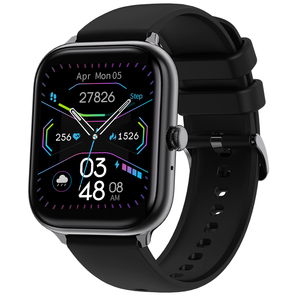
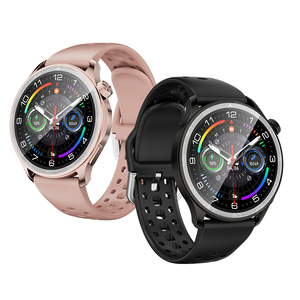
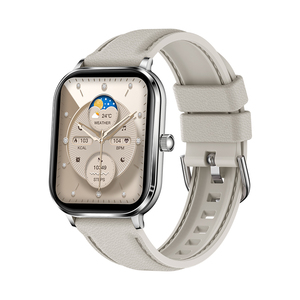
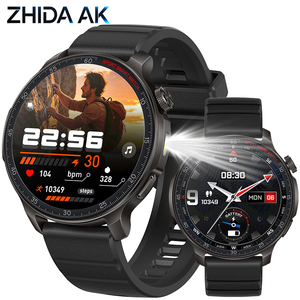
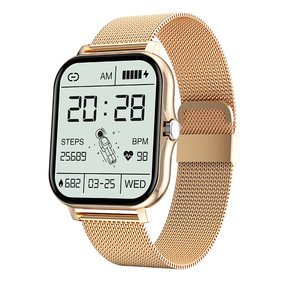
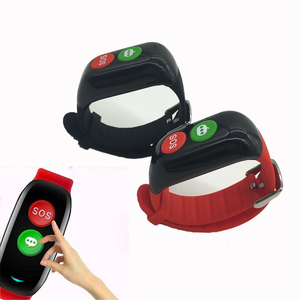
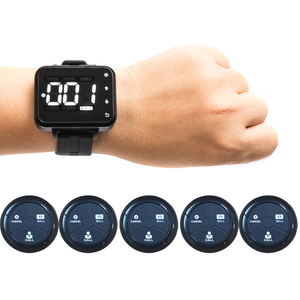
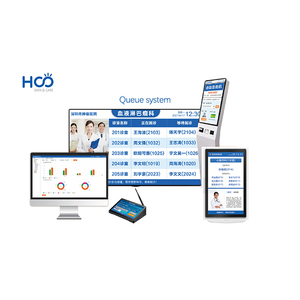
The global wearable technology market for children and dependent care has undergone a massive paradigm shift. Sourcing executives and enterprise procurement leads evaluating a Top China Kids Tracker Supplier must look beyond basic manufacturing capacity to scrutinize full-stack engineering, firmware customizability, RF emissions validation, and stringent material safety protocols. Modern procurement mandates that kids' tracking hardware meets both international toy safety standards (such as ASTM F963 and EN71) and telecom regulatory frameworks (including FCC Part 15 subparts and EU RED directives).
Whether servicing tier-one North American big-box retailers (such as Walmart, Target, and Macy's) or specialized regional distributors, establishing a reliable OEM/ODM pipeline requires deep technical transparency. This whitepaper provides procurement directors, compliance officers, and brand managers with the technical criteria needed to evaluate China's leading smart tracker manufacturers.
Inside the engineering stack of leading kid-safe wearables and industrial alert tracking solutions.
Integration of multi-channel GPS, LBS cell tower triangulation, and local Wi-Fi MAC address mapping to ensure precise indoor and outdoor location tracking without signal drop-off.
FDA-grade hypoallergenic liquid silicone straps and phthalate-free PC+ABS housings engineered to endure harsh playground impact while passing CPSIA Section 101 heavy metal testing.
Low-energy Bluetooth 5.3 and ultra-low-power MCU architectures paired with UN38.3 certified high-density lithium polymer batteries, offering multi-day standby times and thermal safety.
As enterprise retail buyers negotiate annual supply contracts, understanding upcoming market demands is critical for maintaining inventory turnover and avoiding rapid product obsolescence. The next five years will redefine child tracking wearables across four distinct technical axes:
A true manufacturing partner must back marketing claims with rigorous quality assurance protocols. Production facilities for top-tier kids' trackers follow a structured quality control workflow from component arrival to final container loading.
Before mass production begins, a "Golden Sample" is locked with detailed signed documentation covering firmware build version, display color calibration, button actuation force, and packaging assembly. SMT lines utilize high-speed automated optical inspection (AOI) to verify component placement on every PCB.
Random samples undergo 1.5-meter drop testing onto hardwood floors, 48-hour salt spray corrosion testing for metal buckles, 10,000-cycle button press tests, and IPX7/IPX8 water immersion testing under pressure to ensure real-world durability.
A side-by-side technical reference for sourcing directors planning portfolio expansion across wearables and alert systems.
| Category Segment | Primary Connectivity | Target Age / Use Case | Key Safety Certifications | SIM / Subscription | Primary Battery Cap |
|---|---|---|---|---|---|
| Offline Kids Smartwatch | Bluetooth 5.0 (Pedometer/Offline) | Ages 3–12 (Early Childhood) | ASTM F963, CPSIA, EN71, FCC | Not Required (Zero Fee) | 400mAh – 600mAh Li-Po |
| 4G GPS Safety Tracker Watch | LTE-M / NB-IoT / GPS / Wi-Fi | Ages 6–14 (Active Outdoor) | FCC Part 15, CE RED, RoHS, REACH | Nano-SIM Card Required | 700mAh – 1000mAh High-Density |
| Elderly SOS & Fall Tracker | 4G Cellular + Fall Sensor | Seniors / Medical Assist | CE, RoHS, UN38.3 Battery Cert | Cellular Plan Mandatory | 800mAh + Low-Power Mode |
| Wireless Guest / Nurse Alert | 433MHz / RF / Wi-Fi Protocol | Clinics, Restaurants, Care Facilities | FCC Part 15 Subpart C, CE | Local RF System (No SIM) | Rechargeable Watch Receiver |
Importing electronic wearables into North American and European markets requires complete documentation. Top Chinese suppliers provide fully audited lab reports issued by accredited third-party bodies (such as SGS, TÜV, or Intertek). Below is the comprehensive compliance check list for procurement teams:
Addressing essential questions raised by buyers, logistics managers, and compliance officers when sourcing kids trackers from China.
Standard factory MOQs for existing catalog models with custom logo silk-screening start at 500 to 1,000 units per SKU. For full OEM projects involving custom injection mold colorways, bespoke packaging artwork, and localized firmware ROM flashing, typical MOQs are 2,000 to 3,000 units. Smaller trial batches are often negotiable for verified enterprise buyers evaluating new market channels.
Offline smartwatches (which do not use SIM cards) experience significantly lower return rates at retail—often below 1.5% compared to 8–12% for 4G cellular models. This difference is driven by elimination of network carrier activation hurdles, monthly subscription confusion, poor cellular coverage complaints, and complex app pairing processes. Parents purchase an offline watch as an immediate, ready-to-play electronic device.
Air transport of smart wearables containing lithium polymer batteries requires a full UN38.3 test report package. This includes the UN38.3 summary report, MSDS (Material Safety Data Sheet), 1.2-meter drop test packaging certificate, and an official Air Transport Safety Certificate issued by an accredited laboratory (such as DGM). Top China suppliers maintain up-to-date annually renewed battery certs for seamless customs clearance.
Yes. OEM firmware customization includes pre-loading multi-language UI strings (English, Spanish, French, German, Arabic, etc.), embedding custom boot logo animations, configuring default time formats, setting localized decibel volume caps, and locking out administrative sub-menus to suit regional market preferences.
Water resistance is verified using dual-stage testing. 100% of assembled watch housings undergo automated vacuum air-pressure chamber testing to detect seal micro-leaks prior to mainboard installation. Subsequently, random batch samples undergo actual water submersion testing at equivalent depths (1.5 meters for 30 minutes for IP68) followed by post-test disassembly inspection to check for internal moisture.
Factory warranty terms typically provide a 12-month limited warranty covering manufacturing and component defects. Suppliers offer two primary support structures: (1) providing 1% to 2% spare finished units or key replacement components (straps, displays, batteries) with each batch order for local customer service replacement, or (2) establishing a centralized return hub for component refurbishment on larger volume orders.
Accelerate your product launch with lab-certified, retail-ready wearables. Request custom OEM quotes, factory audit reports, and sample kits directly from our engineering team.