.png)
Direct factory export products engineered with high battery density, IP68 water protection, offline functionality, and international safety compliance (ASTM F963, CPSIA, EN71, FCC, CE, RoHS).
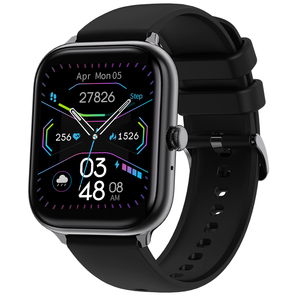
Featuring a rugged zinc-alloy enclosure, real-time biometric tracking, Bluetooth call capabilities, and optimized battery life for remote African regional deployment.
Contact Us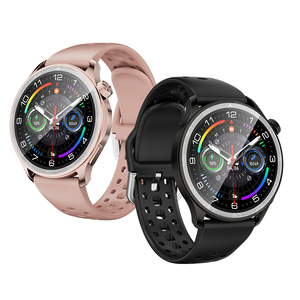
Ultra-bright AMOLED display tailored for outdoor visibility, featuring AI simultaneous interpretation and sports telemetry ideal for cross-border commercial trade.
Contact Us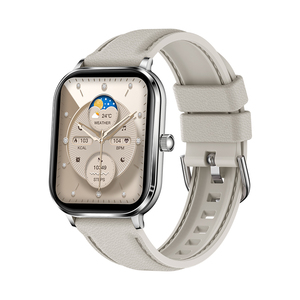
IPX8 rated water resistance, continuous pulse oximetry (SpO2), heart rate monitoring, and hypoallergenic silicone straps designed for active consumer markets.
Contact Us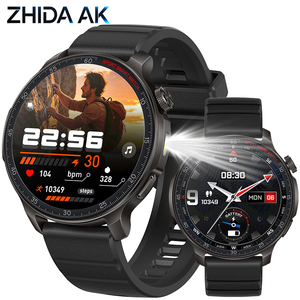
Engineered specifically for load-shedding resilient environments, featuring an ultra-capacity 1000mAh battery cell, high-lumen integrated flashlight, and IP68 sealing.
Contact Us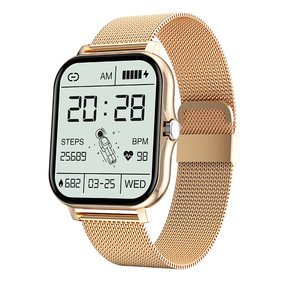
High-volume wholesale model equipped with HD Bluetooth calling, pedometer step tracking, and customizable localized firmware for South African retail channels.
Contact Us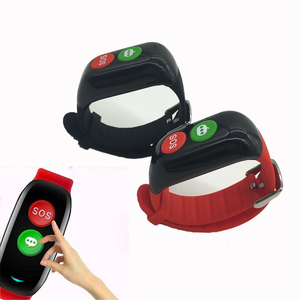
Single-touch SOS panic button, GPS location tracking, biometric heart monitoring, and instant alerts optimized for personal security and home care facilities.
Contact Us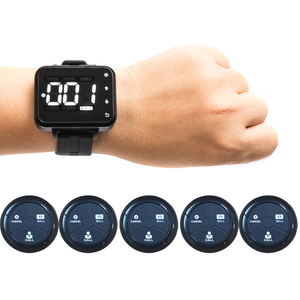
Industrial RF wireless paging watch receiver designed for South African hospitality operations, reducing guest wait times and streamlining table service.
Contact Us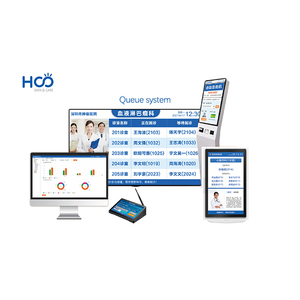
Instant patient-to-nurse wireless dispatch system. Compliant with international medical auxiliary communication standards for private and public healthcare facilities.
Contact UsThe South African consumer electronics, personal security, and commercial surveillance markets are currently undergoing a structural transformation. Procurement managers, retail chain buyers, and commercial distributors in key economic hubs—including Johannesburg, Cape Town, Durban, and Pretoria—are experiencing a surging demand for compact, high-efficiency optical devices and wearable technology. As localized infrastructure faces unique operational realities, such as rolling power outages (load-shedding) and increased security awareness, the market requirement has pivoted toward highly resilient, battery-efficient, offline-functional, and ruggedized mini cameras and micro-wearables.
When selecting OEM/ODM manufacturing partners, South African importers cannot simply rely on generic factory catalogs. Evaluating the Top 10 Mini Camera Factories Serving South Africa requires a sophisticated analysis of production engineering, compliance documentation, sensor quality, battery safety certification (such as UN38.3 for maritime and air transport), and localized customs readiness (ICASA compatibility). This comprehensive whitepaper provides an expert breakdown of the top manufacturing hubs, evaluation metrics, localized application scenarios, and key technical trends governing the micro-camera and wearable manufacturing ecosystem in 2026 and beyond.
Top-tier manufacturers catering to Sub-Saharan Africa must offer complete regulatory transparency, including ASTM F963, CPSIA, EN71, EN62115, FCC, CE, and RoHS certifications. Furthermore, devices designed for the region require enhanced power management architectures to withstand extended periods without grid charging.
Mini camera technology and compact wearable micro-DV devices serve a broad spectrum of commercial, retail, educational, and safety applications throughout Southern Africa. Understanding these localized use cases allows retail buyers and institutional sourcing agents to tailor their custom OEM specifications effectively.
Compact body-worn micro cameras and stealth dash cams are widely deployed by private security firms protecting commercial estates in Gauteng and Western Cape. High-resolution CMOS sensors, night vision IR LEDs, and drop-tested housings ensure uninterrupted evidence collection.
South Africa’s thriving tourism industry in Kruger National Park and along the Garden Route drives substantial demand for rugged action cameras (e.g., GoCam series) and lightweight mini DV units mounted to mountain bikes, quad bikes, and safari vehicles.
Educational technology brands and major retailers (like Game, Makro, and specialized toy stores) stock dual-lens kids cameras (SnapCam Duo) and LCD writing tablets. These offline-first toys provide creative learning without exposing children to open internet vulnerabilities.
In clinics and eldercare homes across Eastern and Western Cape, SOS emergency calling smartwatches and Wi-Fi nurse call alert systems maintain high operational reliability, offering instant fall detection and one-button alerts.
Busy restaurants and coastal resorts utilize RF wireless waiter call systems and wrist-watch receivers (Classical Guest Alert Buzzer Systems) to overcome staffing constraints and improve service dispatch speed.
Micro dash cameras and concealed battery-powered DV trackers provide South African freight forwarders operating along the N1/N3 transport corridors with discrete cab monitoring and cargo security auditing.
To gain a competitive edge in South Africa's retail and commercial landscape, products must incorporate forward-looking technical architecture tailored to regional challenges:
Given the operational impact of load-shedding, products with integrated high-density lithium polymer cells (e.g., 1000mAh capacity in compact round smartwatches or camera housings) stand out. Advanced MCU sleep modes enable multi-day standby times, ensuring devices remain operational during grid outages.
South African consumers increasingly favor offline-first digital cameras and smart wearables. Products that function fully without requiring paid cloud subscriptions, SIM cards, or mandatory data connections cut total cost of ownership and bypass mobile bandwidth costs.
Coastal salt moisture in Cape Town and high dust levels in inland mining regions require superior ingress protection. Leading OEM factories utilize silicone over-molding, double-gasket seals (achieving IP68 rating), and drop-resistant ABS polymer frames.
When selecting an OEM partner, B2B buyers must evaluate factories based on specialized production capacities, compliance engineering, and customization capabilities. Below is an evaluation matrix representing the top 10 factory typologies supplying Southern Africa:
| Factory Category / Type | Primary Product Focus | Core Technical Capabilities | Compliance & Certifications | Suitability for SA Market |
|---|---|---|---|---|
| 1. High-Precision Micro-DV OEM Hubs | Mini body cams, discrete surveillance, micro action cams | SMT optical placement, low-light ISP calibration, thermal dissipation design | CE, FCC, RoHS, UN38.3 | High (Security firms, private surveillance) |
| 2. Kid-Safe Educational Tech Factories | SnapCam digital cameras, dual-lens kids cameras, LCD tablets | Drop-tested ABS tooling, non-toxic phthalate-free silicone, simplified UI | ASTM F963, CPSIA, EN71, EN62115 | Very High (National retail chains, toy distributors) |
| 3. Outdoor Action & Sports Camera OEMs | 4K waterproof action cams, bicycle/helmet mounted DV units | IP68 waterproof housing overmolding, EIS video stabilization | CE, FCC, IP68 lab test reports | High (Tourism, sports retail, adventure rentals) |
| 4. Smart Wearable & Biometric OEM Manufacturers | AMOLED sports smartwatches, health tracking bands | PPG heart-rate sensor calibration, high-density Lipo battery integration | CE, FCC, RoHS, ICASA ready | Very High (Consumer electronics, mobile accessory retail) |
| 5. Ultra-Long Standby Hardware Specialists | 1000mAh+ round smartwatches, long-standby audio/video recorders | Low-power MCU architecture, power-management IC optimization | UN38.3, MSDS, IEC 62133 | Crucial (Load-shedding resilient regional consumer markets) |
| 6. Healthcare & Elderly Safety OEMs | SOS emergency calling watches, fall detection GPS trackers | RF signal amplification, emergency voice circuit integration, GPS/Wi-Fi positioning | CE RED, FCC, ISO 13485 alignment | High (Private healthcare facilities, home care providers) |
| 7. Wireless Commercial Paging Factories | Restaurant alert buzzers, waiter call watch receivers | 433MHz / 868MHz RF modulation, multi-channel anti-interference coding | CE, FCC, Radio spectrum compliance | High (Hospitality chains, quick-service restaurants) |
| 8. Wi-Fi & Smart Clinic System Manufacturers | Nurse call watches, queuing display terminals | Wi-Fi protocol optimization, local mesh network architecture | CE, FCC, RoHS | Medium-High (Medical clinics, emergency rooms) |
| 9. Industrial Ingress-Protected Camera OEMs | Heavy-duty rugged DV units, explosive-proof mini cams | Vibration-proof SMT coating, industrial alloy casing machining | IP69K, ATEX/CE certification | Specialized (Mining sectors in North West/Gauteng) |
| 10. Multi-Category Custom ODM Laboratories | Full-suite custom hardware prototyping & rapid tooling | In-house CAD/CAM mold development, custom firmware localization | Full international compliance suite | High (Enterprise clients requiring exclusive private label) |
Partnering with an established manufacturer yields significant operational advantages over standard trading companies. A robust production lifecycle spans six vital engineering phases:
Direct answers to frequently asked questions regarding OEM/ODM procurement, customs clearance, and local compliance for South African importers:
Imports into South Africa must comply with international electrical and material safety standards (CE, RoHS, FCC). For products containing wireless transmitters (Bluetooth, Wi-Fi, RF 433MHz), ICASA (Independent Communications Authority of South Africa) type approval or equivalent compliance documentation is necessary for commercial distribution.
Top OEM manufacturers incorporate extended-capacity lithium battery cells (up to 1000mAh in smartwatches) and microprocessors tuned for low standby power drain. Additionally, offline-first mini cameras allow continuous recording to Micro-SD cards without requiring grid-powered Wi-Fi routers.
Ocean freight consolidation from major manufacturing ports (Shenzhen/Ningbo) to Durban or Cape Town typically takes 22 to 28 days. Air express shipping to OR Tambo International Airport (Johannesburg) takes approximately 5 to 7 business days. All battery-operated shipments are accompanied by UN38.3 and MSDS safety data sheets.
Yes. Children’s electronics intended for ages 3–12 should pass ASTM F963 and CPSIA standards for the North American market or EN71/EN62115 for European/international alignment. These tests verify non-toxic lead/phthalate levels, battery enclosure security, and physical impact resistance.
Standard factory OEM logo printing and customized packaging typically start at an MOQ of 500 to 1,000 units per model. Custom firmware boot screens or unique silicone colorways may require 1,000 to 2,000 units depending on tooling complexity.
Connect directly with our engineering and OEM export team to request wholesale catalogs, factory compliance documentation, and custom sample quotes for the South African market.